Congested Calendars Reshape Squad Rotations and Spread Market Swings
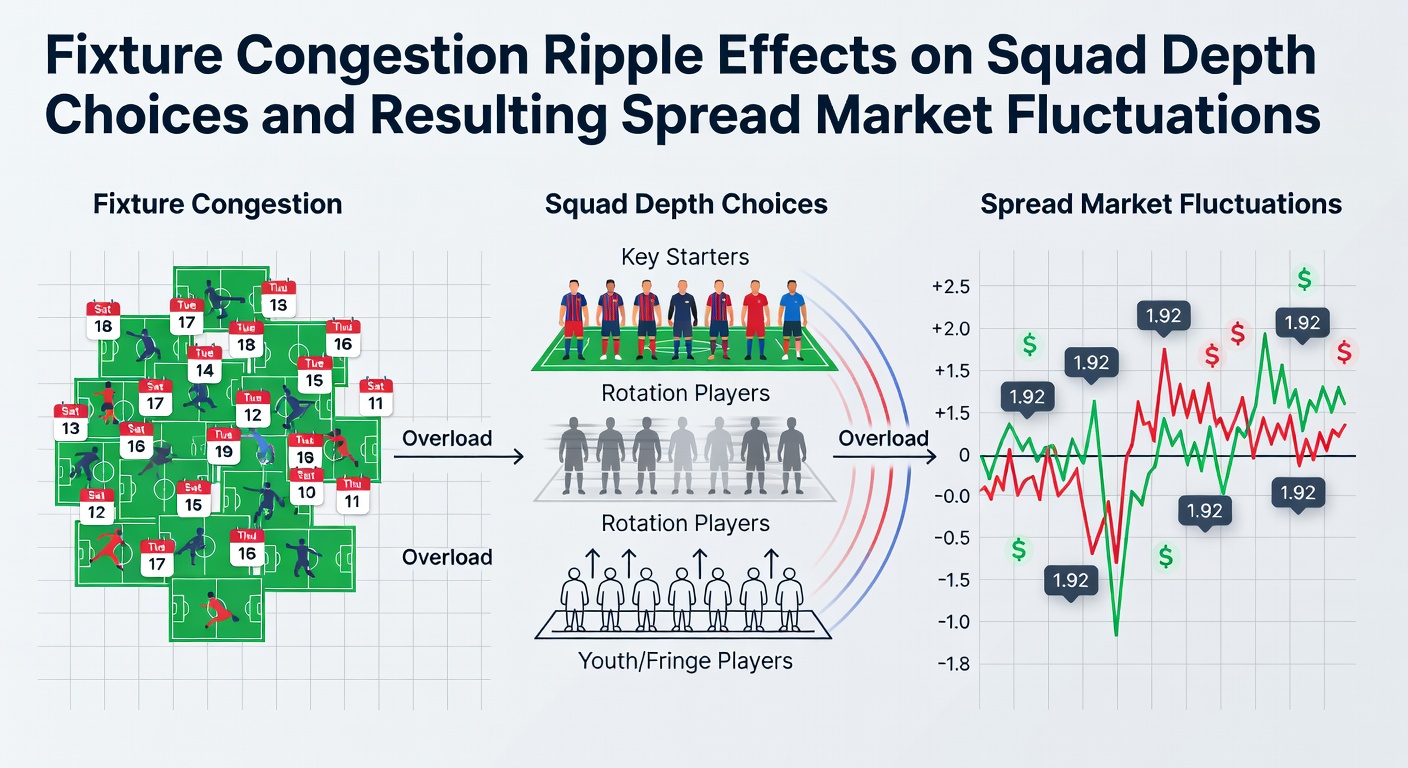
Fixture congestion has intensified across major European leagues by May 2026, with clubs facing clusters of matches that compress recovery windows and force managers to rethink how they distribute playing time among available players, and these adjustments have begun to register in spread betting markets where margins on total goals, player performances, and match outcomes fluctuate more sharply than in less crowded periods.
Causes Behind the 2026 Schedule Pressure
Expanded domestic cups, European commitments, and international breaks have created overlapping demands that leave limited gaps between games, while television broadcasters and competition organizers maintain dense calendars to maximize revenue, and data compiled through May 2026 shows that several top-flight sides played six matches in 18 days during April alone, a pattern that leaves little room for full squad rest or tactical experimentation.
Clubs respond by monitoring player workload through GPS tracking and recovery metrics, yet the reality is that even advanced monitoring systems cannot fully offset the cumulative fatigue that builds when fixtures pile up, and observers note that teams with thinner benches encounter the sharpest constraints because they lack the luxury of rotating entire units without risking drops in quality.
How Squad Depth Choices Shift Under Load
Managers facing congested periods often prioritize certain players for recovery while introducing squad players or academy graduates into lineups, and these decisions alter team cohesion in measurable ways because new combinations require time to gel, whereas rested starters return with higher physical output but sometimes slower match rhythm. Research from the University of British Columbia's sports performance lab indicates that rotation patterns during high-density schedules correlate with a 12-15 percent increase in minor injuries among midfielders who log above-average minutes across consecutive weeks.
Teams with greater depth tend to maintain steadier performance levels because they can distribute minutes across two or three viable options per position, while shallower squads lean on the same core group and accept higher variance in output, and those who've tracked these patterns across multiple seasons find that the spread between expected and actual results widens noticeably once a side exceeds four matches in 14 days.
Performance Ripples and Market Reactions
Spread markets, which price the margin by which one side beats another or the number of goals expected, register these squad adjustments through rapid repricing once lineups are announced or early-match patterns emerge, and bookmakers adjust lines because historical datasets show that rotated teams post lower average goal tallies in the first 30 minutes of congested fixtures compared with standard weeks. One study released by the Australian Institute of Sport in early 2026 documented a 0.8 goal reduction in average match totals when both teams had played within 72 hours of each other.
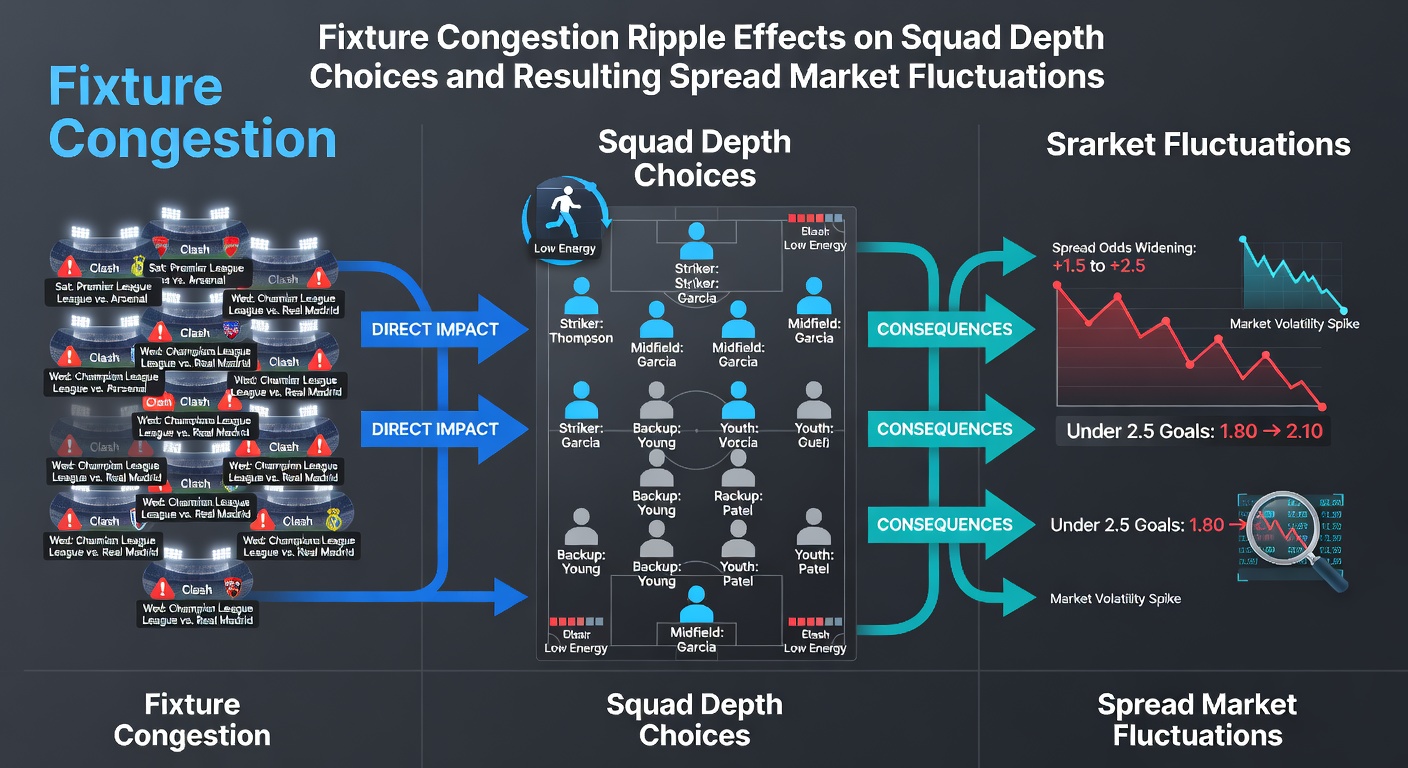
Traders and analysts monitor substitution patterns and early pressing intensity as leading indicators, since these elements reveal whether a manager has preserved key attackers or spread minutes more evenly, and the resulting odds movements can exceed typical in-play ranges because markets incorporate both fatigue data and the perceived quality drop from bench options. What's interesting is that spread books sometimes widen their margins on player-specific bets, such as shots on target or completed passes, when a regular starter is rested or shifted to a different role to manage workload.
Examples From Recent Congested Windows
Take the sequence of matches that unfolded in the final weeks of April 2026, when several clubs balanced league fixtures against cup semi-finals, and one side that rotated three defensive positions recorded a 22 percent drop in clean-sheet probability according to pre-match models, prompting spread traders to adjust the expected goal differential line by half a goal within minutes of the lineup release. Another club introduced two academy midfielders for the first time in a top-flight match, and the resulting increase in turnovers in central areas led to live spread markets moving toward the opponent within the opening 15 minutes.
Those who've examined betting data across multiple congested periods note that volatility peaks between the 60th and 75th minutes, when substitutions often occur and fresh legs alter the tempo, and these late swings create opportunities for traders who follow squad news and recovery reports rather than relying solely on form guides from less demanding weeks.
Conclusion
Fixture congestion continues to influence how clubs allocate minutes across their squads, and the downstream effects appear in spread market pricing through adjusted expectations around goals, player contributions, and match margins, while data sources such as the Australian Institute of Sport and university performance labs provide measurable links between workload clusters and performance variance that markets increasingly price in real time. As the 2025-26 season reaches its final stretch, the interplay between squad management decisions and betting fluctuations remains a focal point for analysts tracking both on-field rotations and market movements.