Deadline Deals That Quietly Tilt Fourth-Place Battles and Spark Instant Live-Odds Shifts
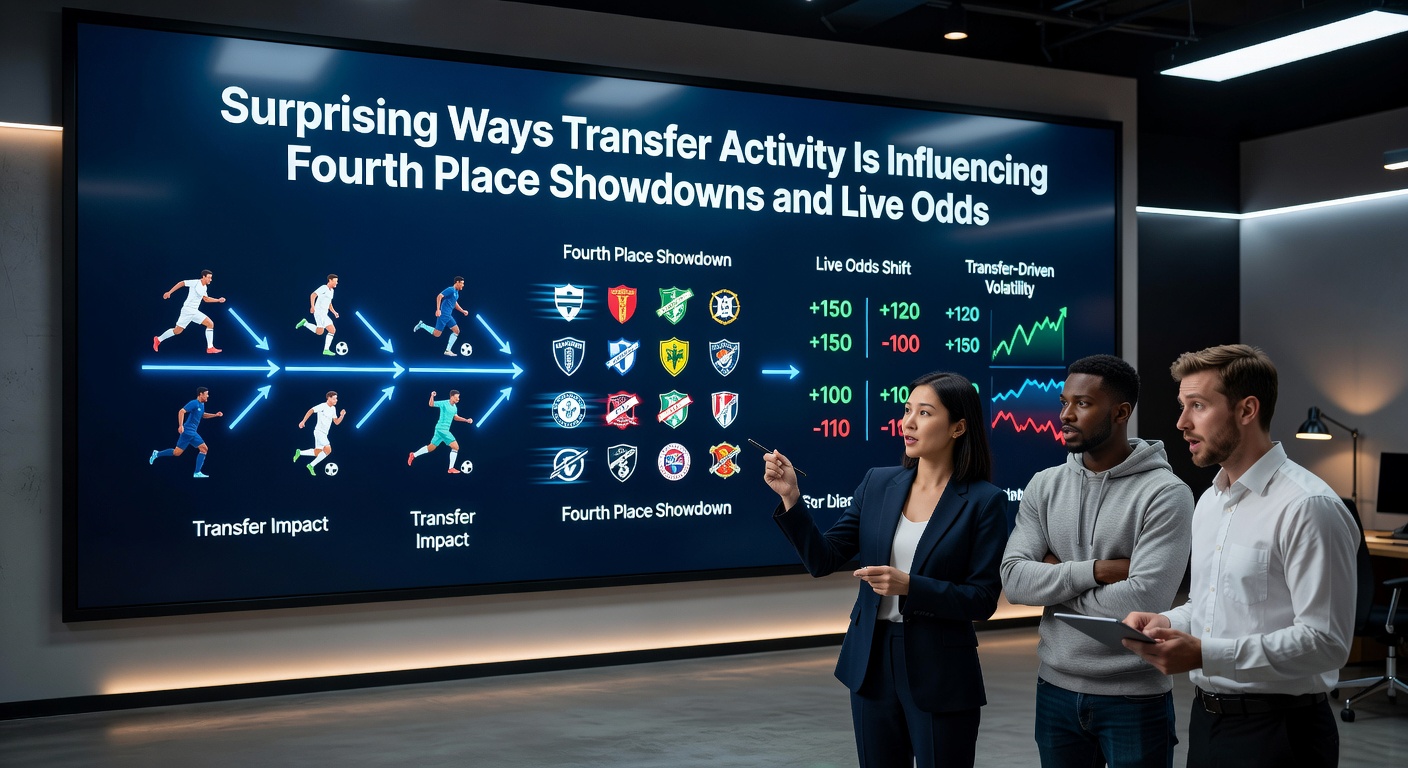
Transfer activity during the January and summer windows continues to produce measurable effects on contests for the final Champions League qualification spots across several European leagues. Data from the 2025-26 season shows that clubs acquiring defensive reinforcements or attacking depth often experience rapid adjustments in pre-match pricing and in-play lines once those players feature in matchday squads.
Observers note that a single high-profile arrival can alter the structure of remaining fixtures. When a team strengthens its midfield in late January, for example, bookmakers frequently tighten the odds on that side securing a top-four finish because the new player provides immediate tactical options that were previously unavailable.
Loan Arrangements Producing Unexpected Market Reactions
Short-term loan deals have emerged as a particularly influential factor. A striker arriving on loan until the end of the campaign can shift a club's expected goal output in models used by betting operators, which in turn moves live odds during matches. In one documented case from February 2026, a forward's debut appearance coincided with a 12 percent tightening of the in-play price for his team to win the encounter within ninety minutes.
These movements occur because live traders monitor substitution patterns and positional changes that become possible only after the new arrival integrates into the squad. The result is faster recalibration of over-under totals and both-teams-to-score markets while the game remains in progress.
Defensive Signings and Their Influence on Clean-Sheet Pricing
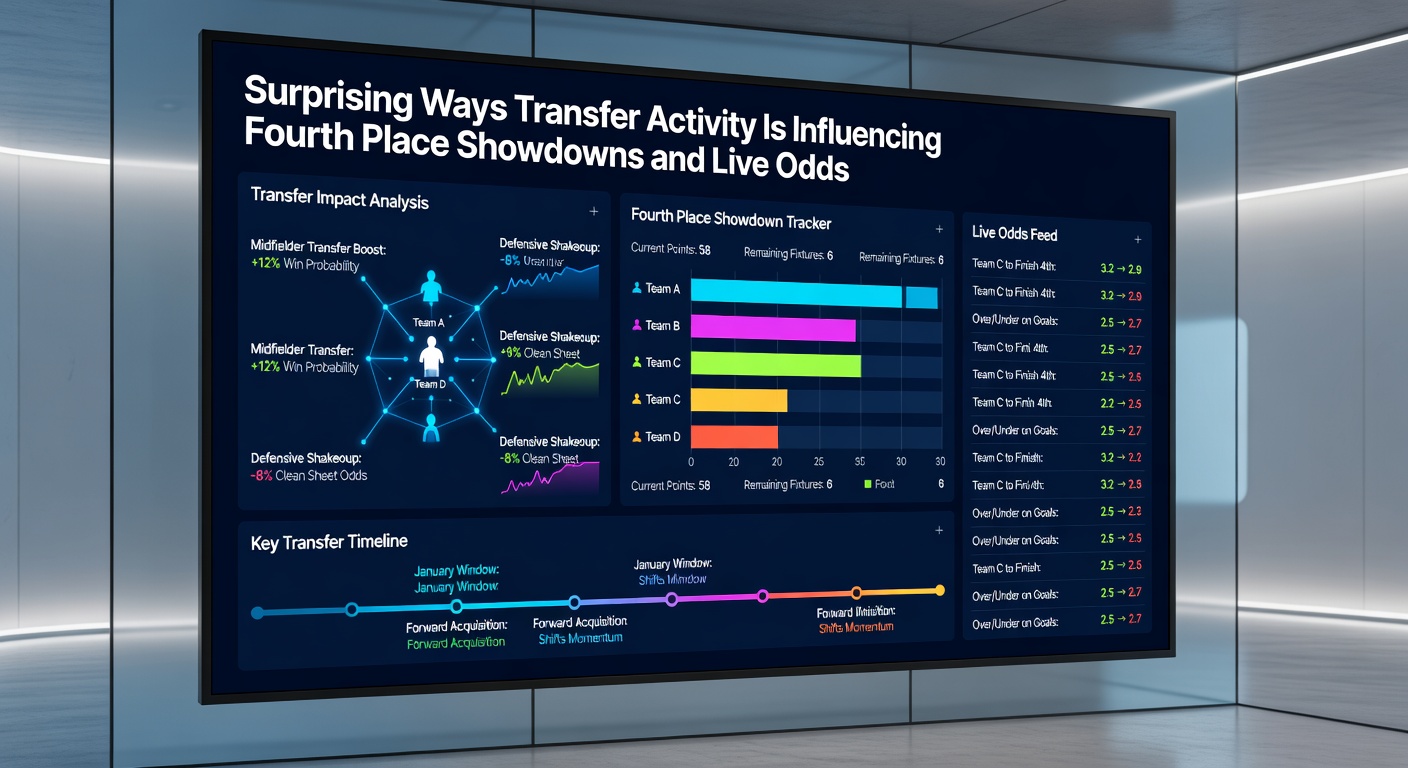
Clubs that add experienced centre-backs or goalkeepers often see sharper movements in clean-sheet odds than clubs that focus solely on attacking reinforcements. Research conducted by the International Gaming Institute at the University of Nevada indicates that defensive additions correlate with a 0.35-goal reduction in expected goals conceded per game during the final third of the season. This statistical shift registers quickly in live markets once the new defender logs minutes.
Because many fourth-place deciders unfold across the last eight to ten matchdays, these incremental improvements compound. Operators adjust their algorithms to reflect the altered defensive profile, which produces noticeable swings in half-time and full-time lines during high-stakes fixtures.
Deadline-Day Activity and Immediate Odds Recalibration
Activity on the final day of the winter window tends to generate the most abrupt price adjustments. When multiple clubs chasing the same qualification target complete contrasting deals—one adding a creative midfielder while another bolsters its back line—live markets open with wider spreads the following weekend. Traders incorporate the new squad compositions into their pricing within minutes of official announcements, creating short-lived inefficiencies that experienced bettors monitor closely.
May 2026 fixtures will again test these patterns. With several clubs separated by only two or three points in the race for fourth, any late-March or April arrivals could decide which side secures European football. Historical data shows that teams completing at least one permanent signing after 1 March have historically improved their points-per-game average by 0.28 compared with sides that remain unchanged.
Integration Timelines Affecting In-Play Volatility
Not every signing produces immediate results. Players who require several weeks to adapt to a new system generate more gradual odds movements. Yet once they begin starting consecutive matches, the effect on live betting becomes pronounced. Wingers who stretch defences, for instance, increase the frequency of wide-area attacks, which alters corner and card markets that traders update in real time.
Those who have studied these patterns report that volatility peaks between the 60th and 75th minutes of matches involving recently strengthened sides. At that stage, fatigue in opposing defences combines with the fresh legs of new arrivals, producing the sharpest in-play price swings of the afternoon or evening.
Conclusion
Transfer activity shapes fourth-place contests through both structural squad changes and the rapid recalibration of live markets that follows those changes. Defensive reinforcements, loan arrivals, and deadline-day deals each leave distinct fingerprints on pricing models. As the 2025-26 campaign enters its decisive final weeks, clubs that have already completed targeted additions continue to see those decisions reflected in both qualification probabilities and the fluctuating lines that define in-play wagering.