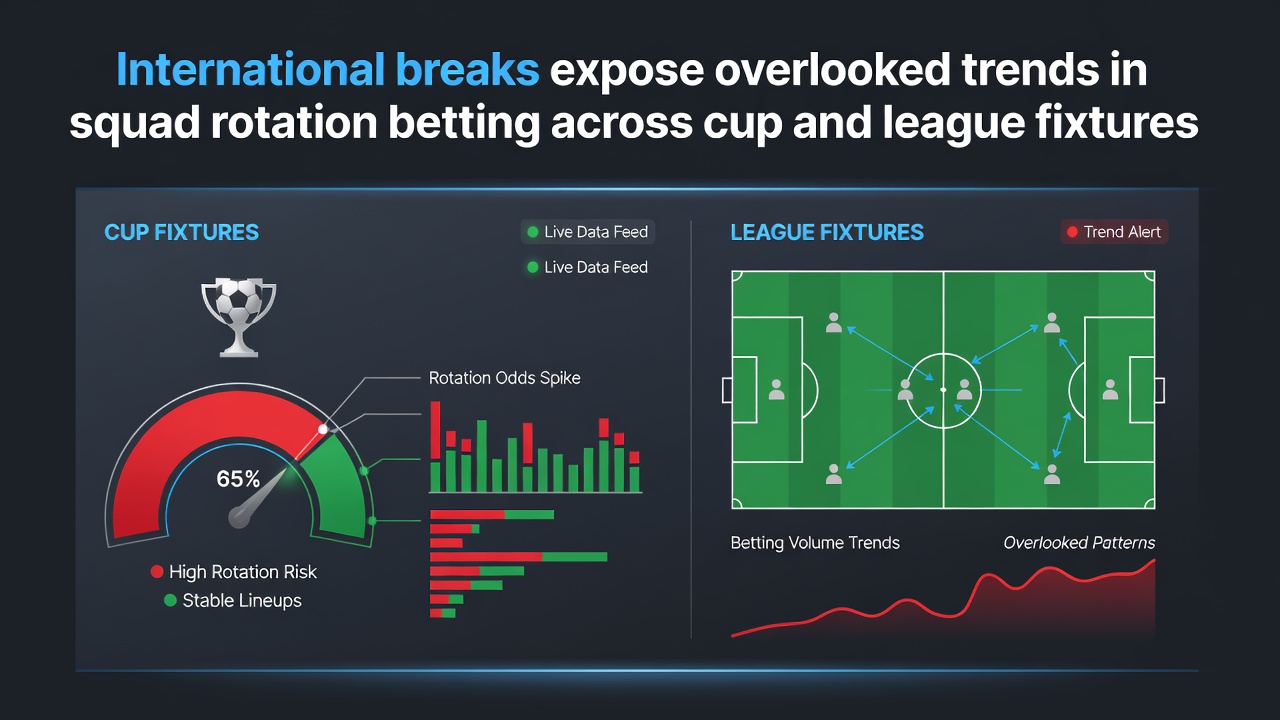
International Breaks Expose Overlooked Trends in Squad Rotation Betting Across Cup and League Fixtures
International breaks create distinct patterns in how squads manage player minutes, and these patterns influence betting markets on cup and league matches in measurable ways. Data collected across multiple European leagues shows that managers adjust lineups more aggressively after national team windows, particularly when clubs face congested schedules in October 2026 and beyond.
Rotation Patterns During International Windows
Teams often rest key players following international breaks because travel and match demands drain resources, yet this rest period does not apply uniformly across all competitions. League fixtures tend to see deeper rotations in defensive and midfield positions, while cup ties retain more established starters; betting markets reflect these choices through adjusted totals and player prop lines. Observers note that the October 2026 break coincided with several clubs fielding entirely different backlines in domestic cups compared to league games played the same week.
Betting Market Adjustments Across Competitions
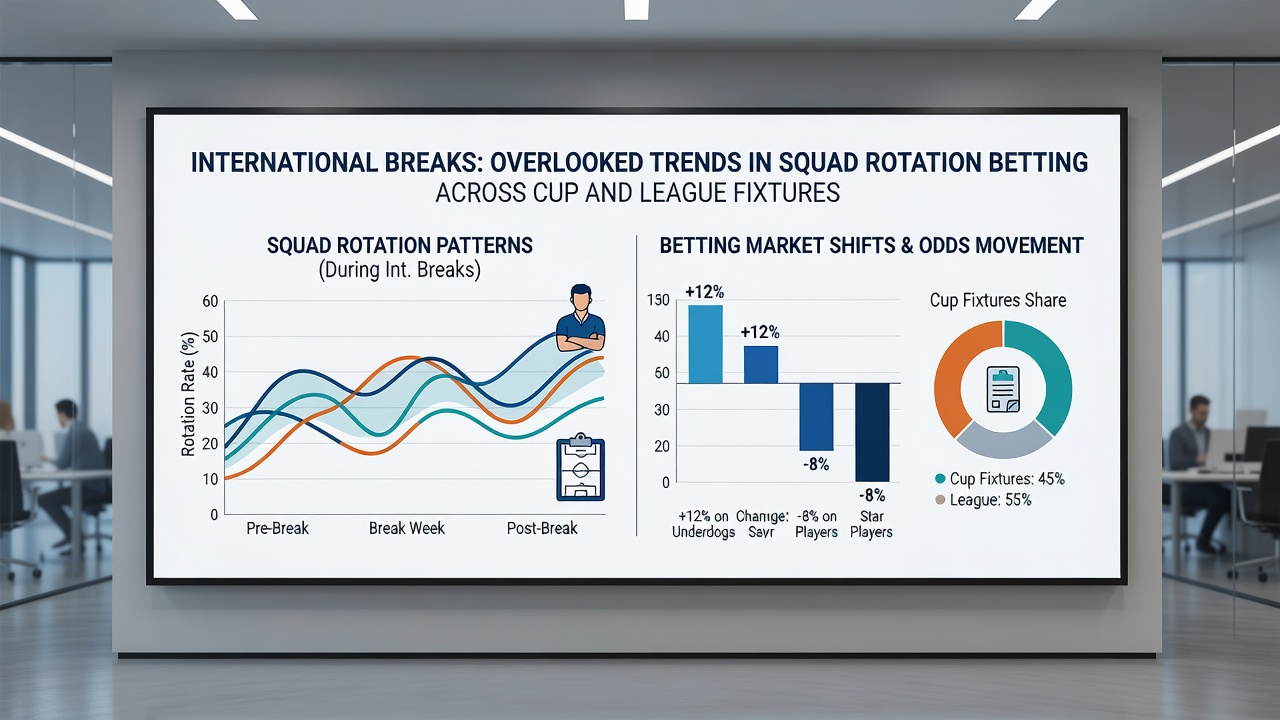
Bookmakers respond to these rotation tendencies by shifting odds on goals, cards, and clean sheets once lineups are confirmed. League matches after international dates frequently produce lower goal tallies when multiple starters sit out, whereas cup fixtures maintain higher scoring rates because fringe players push for starts and managers protect star assets for bigger games. Figures from recent seasons indicate that over 2.5 goals bets succeed at higher rates in cup games during these periods, while under 2.5 goals performs better in league encounters.
Statistical Evidence from Recent Seasons
Analysis of Premier League and Championship data reveals that squad rotation increases by an average of 18 percent in the first league match after an international break, and similar spikes appear in domestic cup ties when clubs field second-string sides. Research from the Victorian Responsible Gambling Foundation tracks how these changes affect live betting volumes, with punters reacting quickly to early substitutions and altered formations. The same study found that rotation-heavy lineups correlate with increased yellow card counts in cup matches but fewer in league settings where managers prioritize clean sheets.
Regional Differences in Rotation Strategies
Clubs in northern Europe rotate more heavily than southern counterparts because weather and fixture density compound fatigue, and this regional variation appears in betting odds for both domestic and European competitions. In October 2026, several Bundesliga sides rested entire attacking units for league games while deploying full-strength teams in cup replays, creating clear discrepancies in expected goal metrics that sharp bettors exploited. Data from the Canadian Centre on Substance Use and Addiction highlights parallel patterns in North American sports where rest advantages shift performance expectations across different tournament stages.
Live Betting Implications
Live markets react fastest to these rotation trends because in-game adjustments reveal whether a manager intends to conserve energy for upcoming league fixtures or push for cup progression. Early yellow cards and changes in pressing intensity often signal deeper fatigue than pre-match odds anticipated, prompting rapid shifts in corner and goal line prices. Those who monitor substitution patterns across cup and league games simultaneously gain an edge when one competition sees more aggressive changes than the other.
Long-Term Trends and Market Efficiency
Over multiple seasons, markets have incorporated some rotation awareness, yet inefficiencies persist around lesser-profile cup ties where public attention remains lower. Teams with extensive European commitments show the largest post-break rotation gaps between league and cup fixtures, and these gaps widen further during the October window when recovery time shrinks. Industry reports compiled by the European Gaming and Betting Association document steady growth in bets placed on player-specific props that directly reflect these rotation decisions.
Conclusion
International breaks continue to highlight measurable differences in how clubs approach cup and league fixtures through squad management choices. These differences translate into distinct betting opportunities once data on rotation frequency and competition-specific outcomes accumulate. Observers tracking October 2026 matches and beyond can identify recurring statistical edges by comparing lineup selections across both formats rather than treating all post-break games as equivalent.