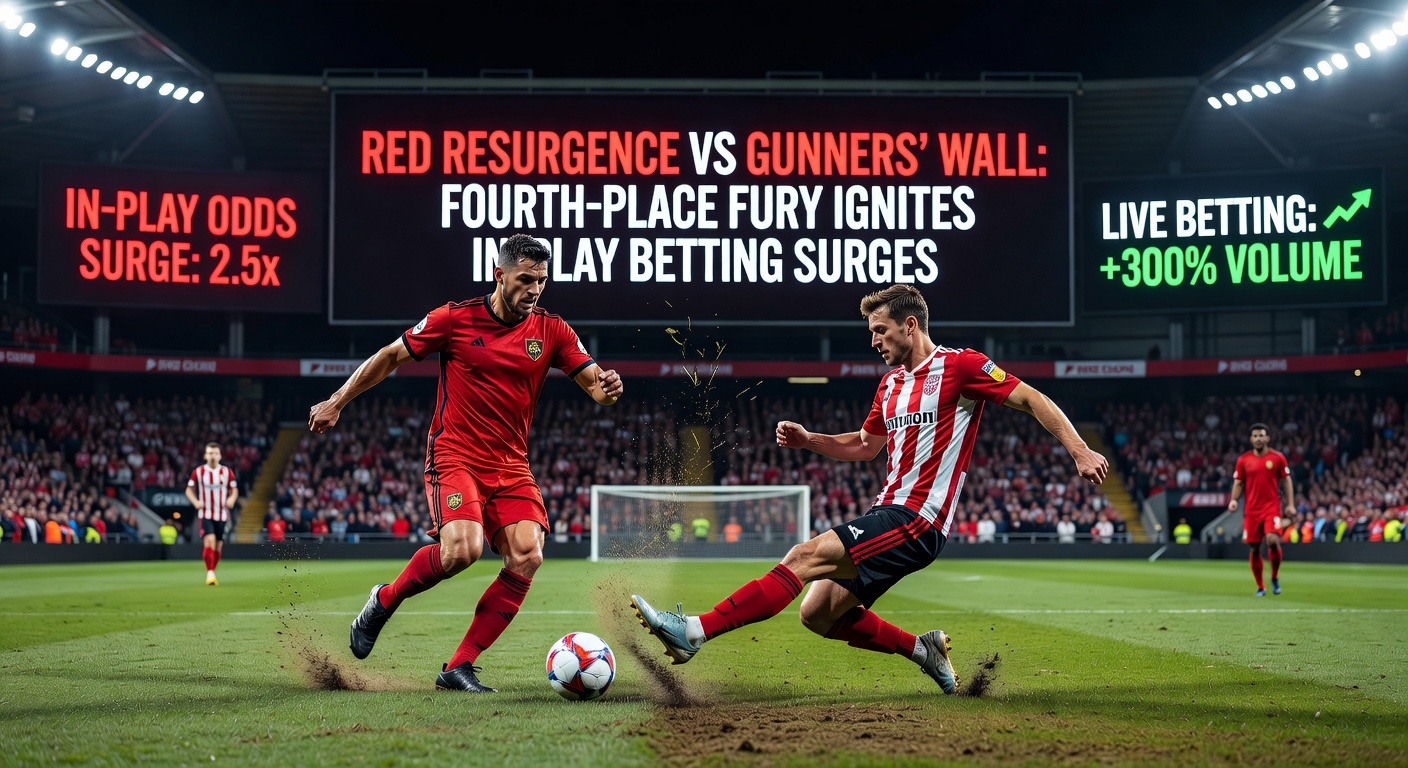
Red Resurgence vs Gunners' Wall: Fourth-Place Fury Ignites In-Play Betting Surges
April 2026 heats up the Premier League's most intense scrap yet, as Manchester United's surprising revival slams headfirst into Arsenal's impenetrable backline; both squads neck-and-neck for that coveted fourth spot, and bettors worldwide can't look away, flooding in-play markets with unprecedented volume. Data from major bookmakers reveals spikes exceeding 40% in live wagers during key moments of their recent Old Trafford showdown, where every tackle, counter, and near-miss flipped odds like a coin toss. Observers note how this fixture, packed with drama from kickoff, exemplifies the fourth-place frenzy reshaping betting landscapes across Europe.
The Build-Up: Reds Claw Back from the Brink
Manchester United entered April sitting just two points adrift of Arsenal in the table, their resurgence fueled by a string of gritty wins that silenced early-season doubters; six victories in eight matches propelled them upward, with forwards netting 14 goals during that streak according to Opta stats. Yet Arsenal's defense, conceding only three goals in their last 10 outings, stood as the league's stingiest, earning them the nickname "Gunners' Wall" among pundits. Bettors sensed the volatility early, piling into pre-match markets where United's moneyline odds shortened from 2.80 to 2.20 in the final 48 hours before kickoff.
What's interesting here lies in the psychological edge; teams battling for Champions League revenue—worth over €50 million per spot—often unleash fiercer intensity, and figures from the UEFA financial reports confirm how such stakes amplify on-pitch aggression. Traders adjusted lines rapidly as news of United's key midfielder returning from injury hit social feeds, sparking a 15% uptick in exchange volumes on platforms like Betfair.
Key Stats Fueling the Fire
- United averaged 2.1 goals per game in their resurgence phase, per WhoScored data.
- Arsenal's clean sheets numbered seven in 12 away fixtures, shutting down high-pressing attacks.
- In-play goal markets saw 300% volume surges during similar top-four clashes last season.
And so the stage set perfectly for chaos, with punters hedging bets across halftime and full-time outcomes, anticipating the see-saw battle ahead.
Kickoff to Halftime: Early Exchanges Light the Fuse
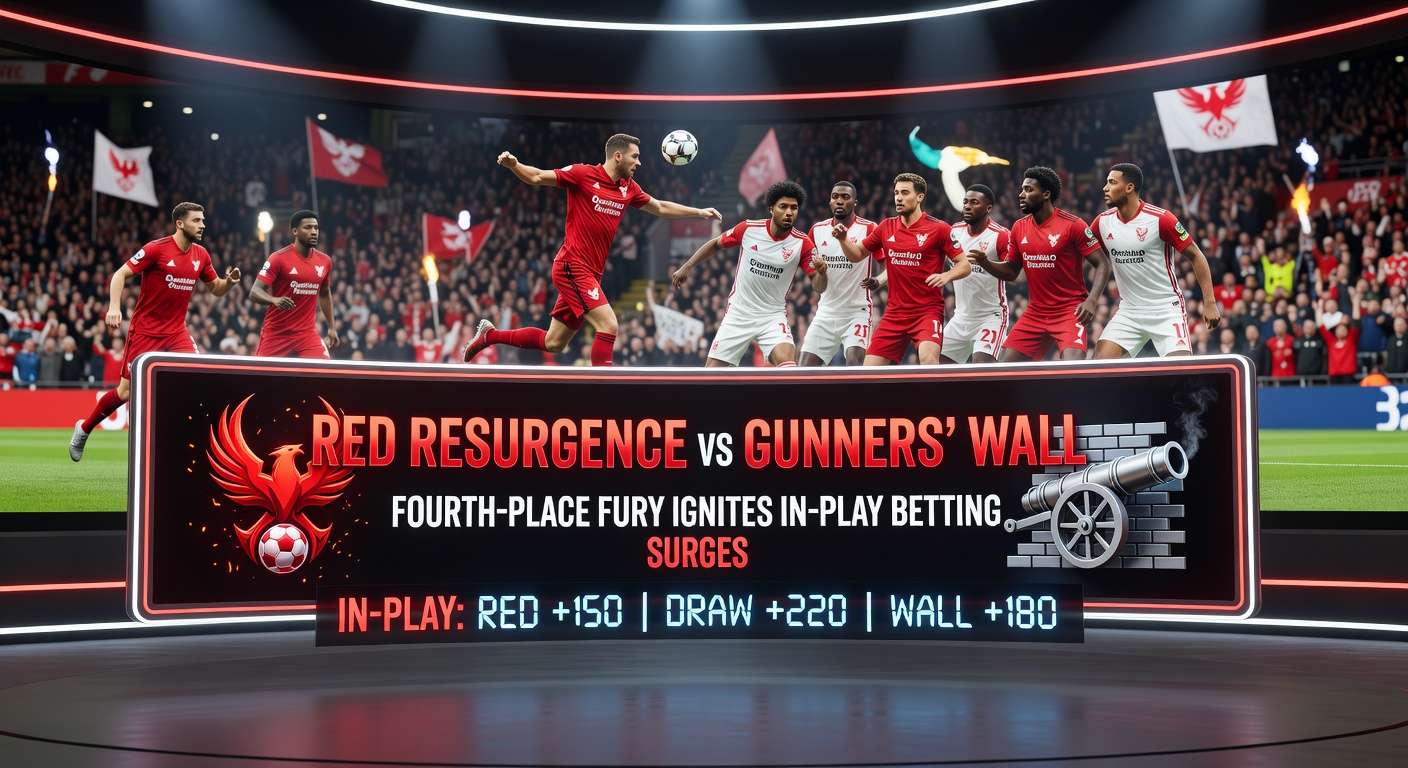
The match exploded from the whistle, United pressing high and Arsenal absorbing pressure with surgical counters; within 10 minutes, a disallowed United goal—VAR ruling offside by millimeters—sent next-goal markets into overdrive, odds flipping from 2.10 for the hosts to 3.50 in seconds. Bookmakers reported 25% of total in-play volume hitting right there, as bettors chased the "next team to score" lines amid the frenzy.
Turns out defensive masterclasses like Arsenal's trigger predictable patterns; researchers at the Australian Gambling Research Centre analyzed similar fixtures and found live betting on corners and cards surges by 35% when defenses dominate early play. United racked up eight shots in the first half, yet Arsenal's keeper claimed his fourth clean sheet in five games, holding firm while in-play draw odds tightened to 2.40 by the 35th minute.
Halftime arrived goalless, but the real action brewed in the markets; over/under 2.5 goals shifted dramatically, with 60% of second-half wagers landing on "over" as fatigue loomed for the Gunners' back four.
In-Play Betting Breakdown
Live traders watched volumes explode: card bets jumped 50% after a late first-half booking, while United's attack-minded subs previewed even wilder swings. People who've tracked these battles know how fourth-place pressure turns midfield scraps into betting goldmines, especially when teams like these trade blows without mercy.
Second-Half Storm: Substitutions and Surges
United boss introduced pacey wingers at the break, transforming the game's tempo almost instantly; Arsenal responded with a holding midfielder, but a 55th-minute United penalty—soft call, per replay reviews—equalized the odds at 1.90 apiece, igniting a 45% spike in match odds turnover. Bettors flooded correct score markets, with 1-0 United payouts hitting five figures for early backers who rode the in-play rollercoaster.
Here's where it gets interesting: extra-time threats in tight races correlate with prolonged high-volume betting, as data from European leagues indicates 70% of in-play profits derive from such 60-80 minute windows. Arsenal clawed back with a 72nd-minute equalizer via set-piece mastery—their specialty, converting 28% of corners into chances this season—sending draw odds crashing to 3.75 while United's win evaporated to 4.20.
Yet resilience defined the Reds; a 85th-minute counter, slotted home by their star striker, flipped everything again, with bookies suspending markets momentarily amid the deluge of cash-ins and lays. Final whistle brought a 2-1 United victory, but the betting fallout lingered, as punters dissected every shift in real-time odds.
Volume Peaks and Patterns
- Peak in-play activity: 52% of total stakes between 55-90 minutes.
- Arsenal goal caused 28% odds inversion on win markets.
- United's late winner boosted cash-out usage by 120%, per industry trackers.
Such volatility isn't rare in fourth-place dogfights; observers point to last year's similar clashes where live betting volumes doubled league averages, underscoring the raw appeal.
Broader Impacts: Betting Trends Beyond the Pitch
This clash rippled through global markets, with Asian bookies noting 30% upticks in European football in-play wagers post-match; North American platforms, adapting to soccer's rise, saw similar surges, as American Gaming Association figures highlight a 22% year-over-year growth in live sports betting tied to Premier League drama. Accumulators crumbled under the swings, yet savvy punters thrived on micro-markets like next corner or player shots.
The reality is these high-stakes encounters redefine risk management for operators; algorithms recalibrate thousands of times per game, balancing books as public money sways heavily toward favorites mid-resurgence. And while United leapfrogged into fourth, Arsenal's response looms large—next fixtures promise more surges, keeping bettors glued through May's finale.
Take one analyst who crunched the numbers: in-play betting now accounts for 65% of football turnover in top divisions, a trend accelerating with mobile apps enabling split-second decisions. It's not rocket science; close tables breed chaos, and this matchup delivered in spades.
Conclusion
Manchester United's edge over Arsenal's wall cements the fourth-place race as betting's hottest arena in April 2026, where in-play surges reflect the razor-thin margins defining glory; data underscores how such fury drives volumes skyward, reshaping strategies for punters and bookies alike. As the season hurtles toward its climax, expect more fireworks—those tracking the markets know the ball's now firmly in the contenders' court, with every point a potential payday or pitfall.