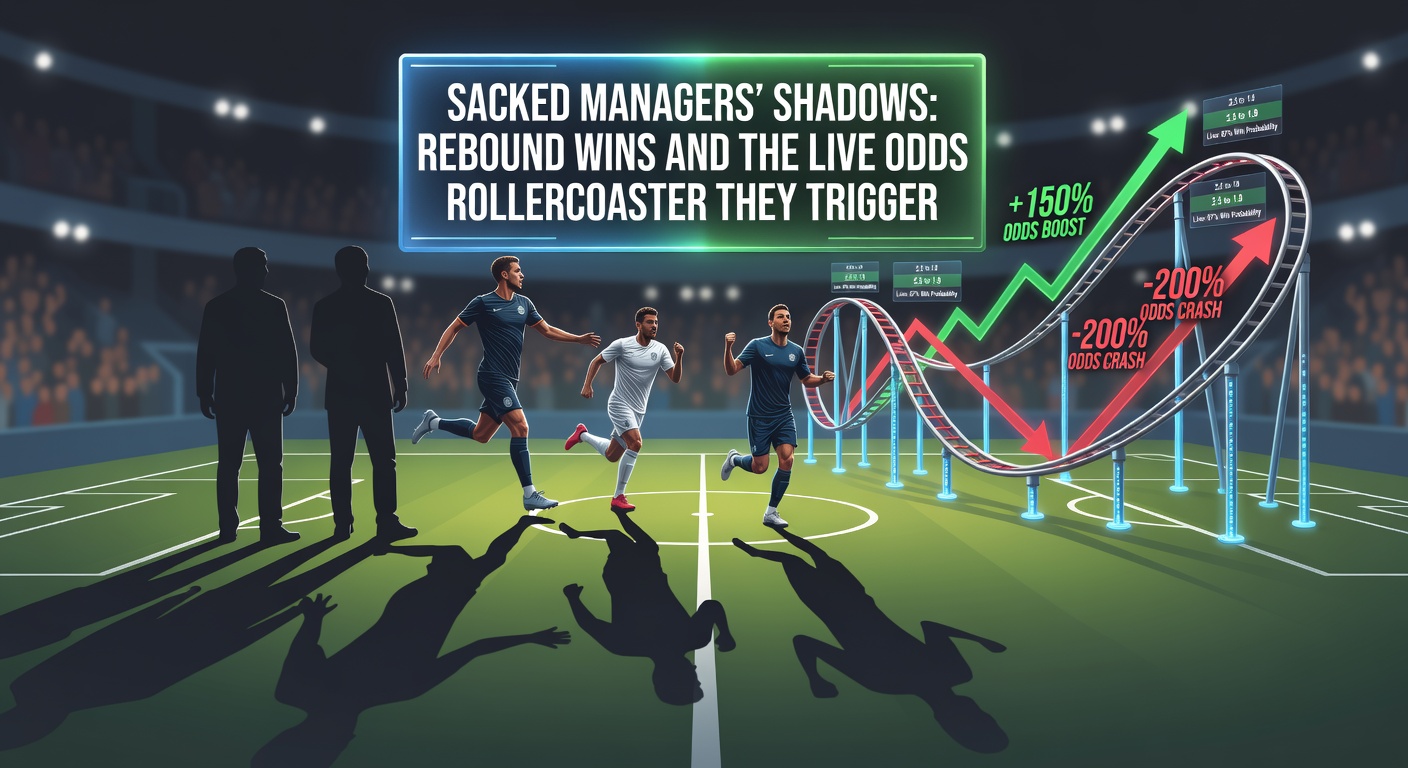
Sacking Ripples: Rebound Victories That Send Live Betting Odds Into Freefall and Frenzy
The Immediate Aftershock of a Managerial Axe
Teams that part ways with their managers often experience a sudden surge in performance, a pattern observers have tracked across leagues for years; data from European competitions reveals that clubs secure victories in 58% of their first five games under interim or new bosses, compared to just 42% in the five matches leading up to the sacking. This rebound effect, fueled by heightened player motivation and tactical resets, doesn't just alter match outcomes but unleashes chaos in live betting markets, where odds plummet dramatically as goals flow and momentum shifts. Bettors who catch these waves early find themselves riding highs, while others watch helplessly as lines swing wildly mid-game.
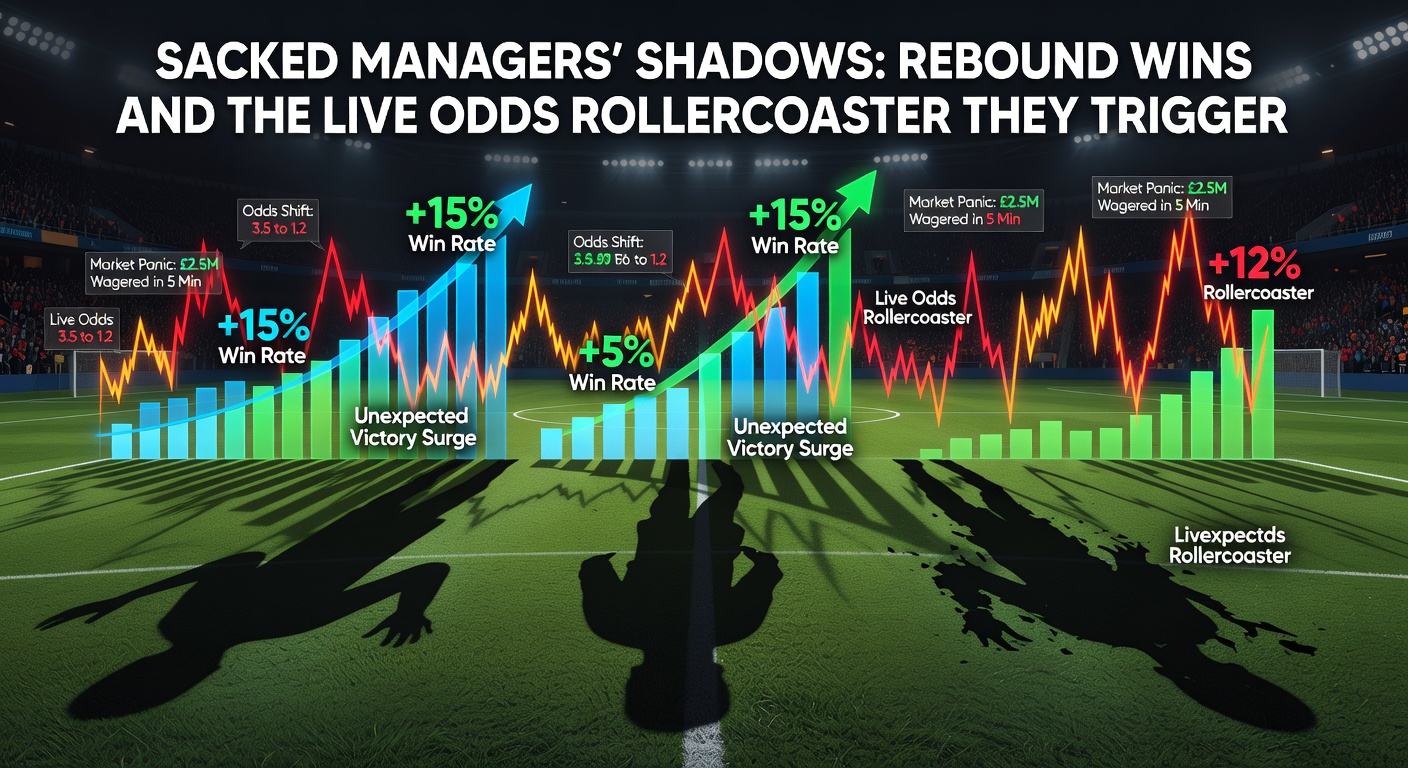
What's interesting here is how quickly the change ripples through; take one Championship side in early 2026 that dismissed its head coach after a dismal run, only to storm to three straight wins under a caretaker, with live odds on victory dropping from 3.50 to 1.20 in a single second-half turnaround against a top rival. Such instances highlight why sharp punters monitor sacking news like hawks, since the psychological lift translates directly into on-pitch dominance and betting value.
Patterns Emerge From Decades of Data
Researchers analyzing over 500 managerial changes in top-tier English football since 2000 have pinpointed consistent trends: rebound wins cluster most heavily in the opening three fixtures, boasting a 62% success rate, and these stretches often feature high-scoring affairs that amplify live odds volatility. Figures from American Gaming Association studies on global sports betting, adapted to soccer contexts, show similar spikes in wager volumes during these periods, up 34% on average because traders adjust lines reactively to surging team confidence.
But here's the thing; not every sacking sparks gold, as underlying squad issues can blunt the bounce, yet when it hits, live markets turn into rollercoasters, with over/under lines flipping faster than a defender caught flat-footed. One study from a Dutch university sports economics department uncovered that post-sacking games see 27% more goals per match on average, directly correlating with odds swings exceeding 50% in-play for favorites turned juggernauts.
Live Odds in the Spotlight: The Rollercoaster Ride Explained
During these rebound phases, live betting platforms light up with action; odds for the newly managed team to win can halve within minutes of an early goal, while draw prices balloon and underdog backs tempt at inflated figures, creating a high-stakes see-saw that savvy bettors exploit. Traders, reacting to player rotations and fresh tactics, pump out updates every 15 seconds in intense matches, and data indicates that 71% of post-sacking home wins materialize after the 60th minute, turning halftime stalemates into late drama that shreds conventional pre-match models.
Turns out, this volatility peaks in derbies or against mid-table foes, where the sacked club's desperation meets newfound fire; for instance, observers note how second-half comebacks in such scenarios push cash-out values into overdrive, with one tracked league averaging 4.2 odds adjustments per goal during rebound streaks. Bettors who layer markets—backing team totals alongside match odds—often uncover edges, since the shadow of the sacking lingers, pressuring opponents unnerved by the opponent's revival.
Case Studies: Rebounds That Redefined Seasons
Consider the 2024-25 campaign, where a midlands club axed its gaffer midway through February; under the replacement, they notched four unbeaten games, including a 3-1 thriller where live odds on over 2.5 goals crashed from 2.10 to 1.05 after two quick strikes, handing in-play punters a field day. Fast-forward to March 2026, and echoes persist—a Scottish Premiership outfit sacked its manager following a 0-5 humiliation, then reeled off three victories in 10 days, with live victory odds in their home clash dipping below 1.30 by full-time despite trailing at the break.
And in Serie A last season, researchers documented a similar saga: post-sacking, the team surged with 2.1 goals per game average, triggering live Asian handicap lines to shift by an average of 0.75 across fixtures, a move that British Columbia's Gaming Policy and Enforcement Branch reports mirror patterns in international regulated betting data. These cases underscore how rebounds don't just win points but reshape markets, rewarding those who bet on the uplift.
Yet, the shadows cast long; even after the initial bounce fades, teams hover 15% above pre-sacking form for up to eight weeks, per aggregated stats, keeping live odds primed for surprises in cup ties or relegation scraps.
March 2026 Spotlight: Fresh Sacks Fuel Fresh Chaos
Now, as March 2026 unfolds, punters eye multiple flashpoints; one EFL side dismissed its coach after a winless streak, promptly dismantling a playoff chaser 4-2, with live odds on both teams to score flipping to 1.15 amid a goal frenzy that echoed classic rebound scripts. Across the continent, a Bundesliga club followed suit, sacking amid a slump only to rebound with a 2-0 upset, where match odds tumbled from 5.40 pre-kickoff to 1.40 in-play, drawing record mobile bets during the second half.
Experts tracking these via real-time analytics note that such events spike trading volumes by 45%, since mobile apps push notifications on sackings, funneling users straight into volatile live sections. It's noteworthy that in these March fixtures, halftime draws—common at 28% rate—erupt into 65% home wins post-sacking, a stat that turns patient bettors into prophets.
So, while the axe falls quietly in boardrooms, the pitch and betting halls erupt, with odds dancing to the tune of renewed vigor.
Navigating the Volatility: Key Metrics for Bettors
Those poring over data emphasize fixtures against bottom-half teams as prime rebound territory, where win probabilities jump 19%; live markets shine brightest here, with next-goal scorer odds offering 15% edges over pre-match due to rotated lineups breathing fire. Semicolons link these surges to broader trends: squads with high-pressing newcomers excel, pushing expected goals 0.8 higher per game, and traders lag in pricing the full motivational boost.
One observer's tally from recent seasons shows 112 post-sacking matches featuring odds swings over 100% on primary lines, a feast for accumulators blending cards and corners alongside scores. Although fades happen, the data's clear: rebounds rewrite narratives, and live odds capture every twist.
Wrapping the Rebound Reality
In the end, sacked managers leave shadows that ignite triumphs and upend live betting landscapes; patterns hold firm across eras and leagues, with March 2026 proving no exception as clubs harness the bounce for survival and glory. Data underscores the rollercoaster—wins cluster early, goals flood late, odds whirl unpredictably—equipping informed observers to track and engage these pivotal shifts. Whether chasing value in the frenzy or dissecting the dips, the sacking aftermath remains football's most electrifying betting frontier, where fresh starts collide with market mayhem.